Hand-Crafted vs Chain Cafe Coffee
What sets hand-crafted specialty coffee apart from chain cafes — espresso extraction, barista craft, consistency, and why the price gap isn't huge.
4 min read
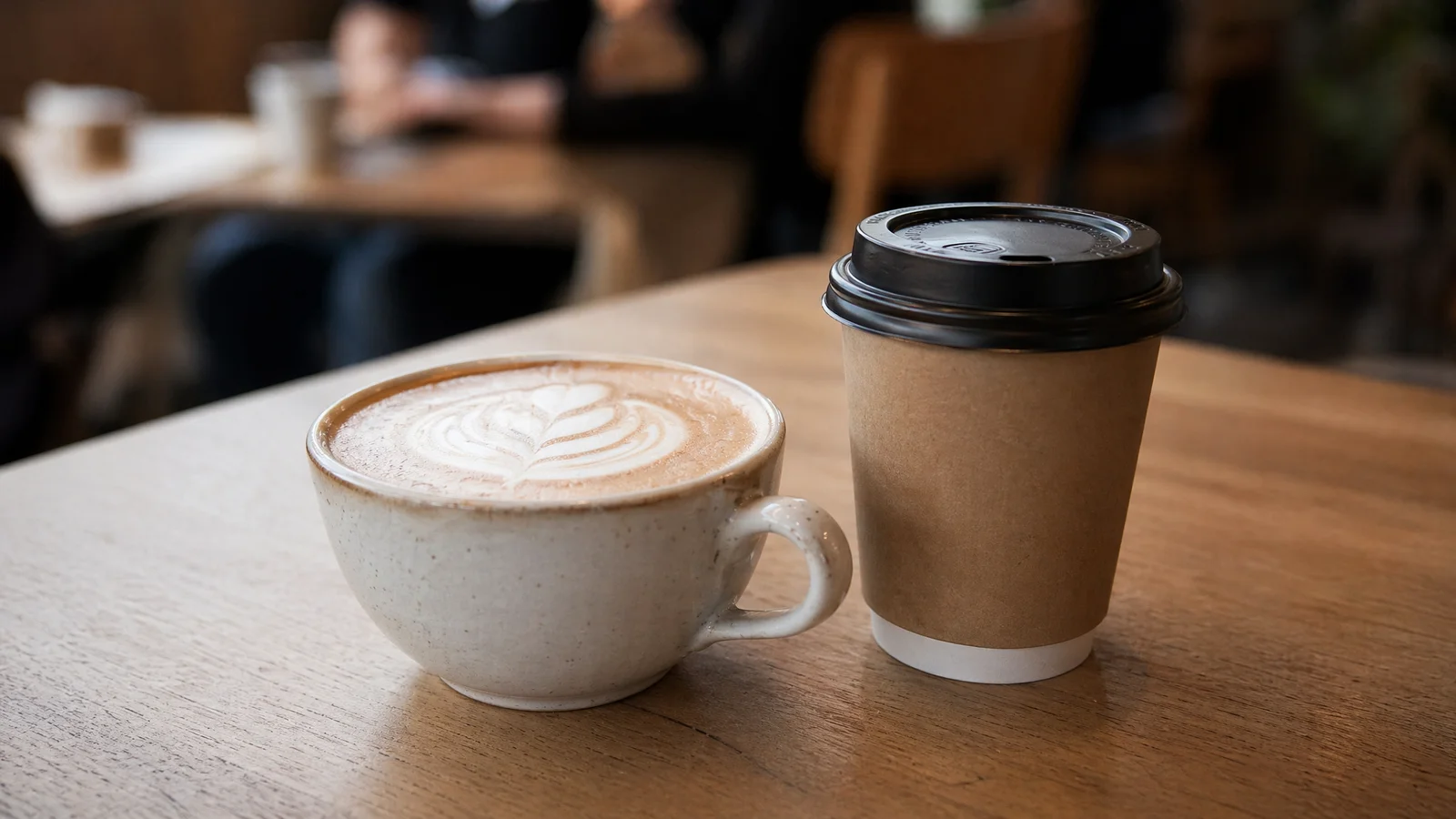
Every professional in the food and beverage sector knows the specialty coffee vs chain coffee debate usually misses the point. The massive chains simply excel at high-volume speed.
Our perspective is that predictability has immense value for a busy commuter. If your morning routine demands a latte that tastes completely identical at KLIA and an overseas airport, that consistency is a feature.
The actual differences found in independent shops are subtle but highly intentional. We see these distinctions daily at Bubbs & Bites Cafe. Let us look at the 2026 data to explain how extraction, training, and sourcing create two completely different cafe experiences.
The honest comparison
Let’s look at the numbers driving Malaysia’s cafe culture in 2026. A recent industry report values the local coffee market at roughly RM2.5 billion. Chain operations like ZUS Coffee and Starbucks capture the largest portion of this revenue through sheer accessibility. ZUS Coffee alone operates over 1,000 outlets across Southeast Asia by focusing on fast delivery and high turnover.
Our team respects this model because it serves a specific consumer need. You get exactly what you expect every single time.
The Independent Shift
Specialty coffee shops make up about 15% of the market share right now. This smaller segment focuses entirely on bean quality and extraction techniques rather than rapid expansion.
We choose to operate in this space because it allows for total control over the final product. Here are the main differences that separate the two business models:
- Volume vs Craft: Chains target hundreds of cups per hour to maintain margins.
- Bean Sourcing: Independents frequently use rotating single-origin beans.
- Menu Flexibility: Small cafes adjust drinks instantly based on customer feedback.
Espresso extraction
Major franchises rely on heavily automated espresso equipment to maintain their global standards. A great example is the Thermoplan Mastrena II, which is the standard machine for Starbucks locations across Malaysia. This super-automatic machine features an Automatic Shot Quality system that actively adjusts grind times to achieve a programmed puck thickness. Baristas simply press a button for a blonde, regular, or decaf shot. The machine handles the entire extraction process in under 30 seconds.
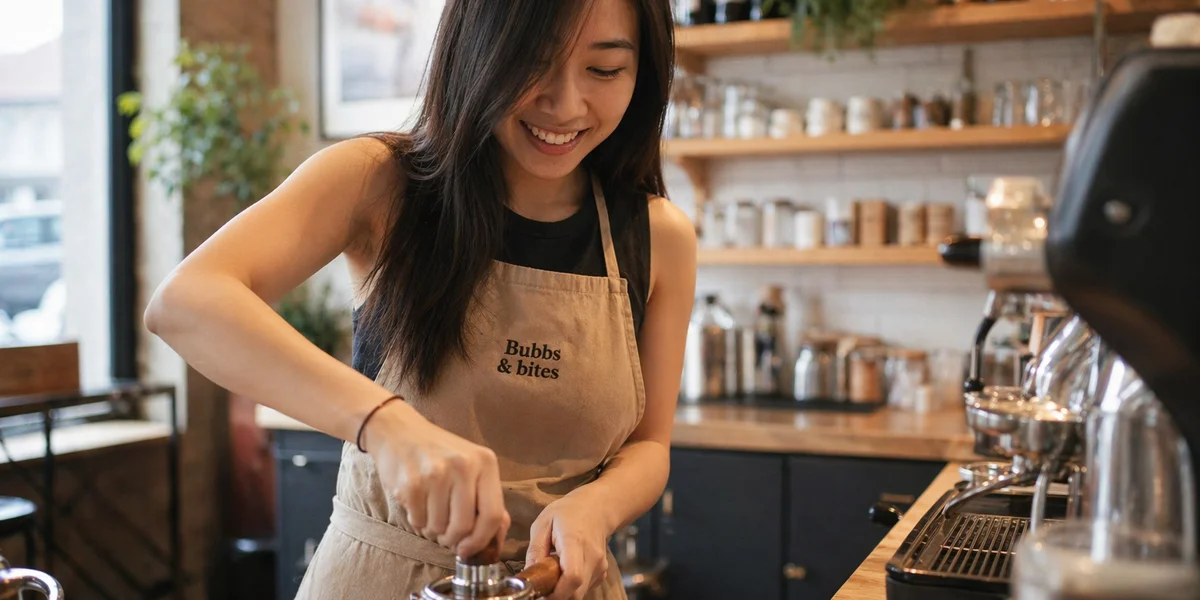
Our approach requires a significantly different skill set. Instead of pressing a button, the barista pulls shots manually using traditional espresso machines.
Managing Daily Variables
Coffee beans are highly sensitive to environmental changes. Our barista actively adjusts the grind size based on the day’s humidity in Dataran Sunway.
To get the perfect yield, a manual extraction requires attention to:
- Dose: The exact weight of ground coffee in the portafilter.
- Tamp Pressure: Applying even force to create a level puck.
- Yield: Measuring the precise liquid output in grams.
- Time: Tuning the extraction to hit the sweet spot between 25 and 30 seconds.
The result is a shot tuned to the actual beans sitting in the hopper that morning. A fixed global standard cannot account for the subtle aging of a roasted batch.
Barista craft
Corporate training programs naturally prioritize speed and strict adherence to a standard operating procedure. Good baristas at large chains operate like highly efficient machines during a morning rush. The focus is entirely on clearing the order queue as quickly as possible.
Our cafe trains staff strictly for taste and sensory awareness. Institutions like Barista Guild Asia provide rigorous Specialty Coffee Association (SCA) standards that many independents follow.
The Importance of Dialing In
A certified barista understands how to manipulate flavor profiles. Our morning routine involves tasting multiple shots before the doors even open.
“A great cup of coffee requires constant recalibration as beans degas and age over a week.”
If your Flat White on Tuesday tastes slightly brighter than it did on Friday, this is an intentional adjustment. We tune the extraction variables to highlight the best notes of that specific roast date. This constant tasting ensures the highest quality cup, even if it takes a little longer to prepare.
Consistency vs personalisation
Franchises trade distinct personality for complete predictability. You enter the building knowing exactly what your beverage will taste like. This unspoken contract works perfectly for consumers who dislike surprises.
Small cafes offer the exact opposite experience. Our space leaves room for personal recommendations and subtle variations in the cup.
A Space for the Community
The independent cafe model thrives on creating a unique third space for specific groups. Data from 2026 shows that 60% of urban Malaysians visit an independent coffee shop weekly for the atmosphere alone.
Our Muji-themed layout specifically caters to individuals seeking a comfortable environment. The interior design comfortably accommodates:
- Remote Workers: Fast WiFi and quiet corners for focused work.
- Pet Owners: A welcoming, pet-friendly environment for cats and dogs.
- Solo Diners: Comfortable seating that feels private and relaxed.
You might hear the staff suggest a different bean because it tastes cleaner that morning. For some people, this level of interaction is just noise. For others, it is the exact reason they search for the best specialty coffee pj has to offer.
The price question
Many consumers assume that boutique roasters automatically charge a massive premium for their beverages. A look at the 2026 pricing landscape reveals a surprising reality. Large international chains regularly charge RM 16 or more for a standard milk-based espresso drink.
Our pricing strategy specifically targets this misconception. The goal is to deliver a superior product without the inflated price tag.
Comparing the Costs
Independent shops bypass franchise fees and premium shopping mall rental rates. This lower overhead allows for investments in better beans while keeping costs reasonable for regular guests.
| Coffee Type | Chain Cafe Price (Average) | Bubbs & Bites Price |
|---|---|---|
| Standard Flat White | RM 15.00 to RM 17.50 | RM 11.00 |
| Long Black / Americano | RM 10.50 to RM 12.00 | RM 8.00 |
| Flavoured Latte | RM 18.00 to RM 19.50 | RM 13.00 |
We actively chose a below chain pricing, above chain quality model. The average price for a flat white in a Petaling Jaya specialty cafe hovers around RM 12 to RM 15. Sitting at RM 11 makes the daily brew highly accessible.
Why owner-operated produces different coffee
Corporate decisions move slowly through regional managers and global approval committees. A simple menu update at a major franchise can easily take 12 weeks to implement. This rigid structure prevents quick adaptation to local customer requests.
Our founder Belle directly manages all sourcing and menu decisions. The cafe operates with a 48-hour feedback loop instead of a quarterly review cycle.
The Power of Agility
Independent operators have the freedom to experiment. Belle picks the local roaster, tastes the daily shots, and monitors how new drinks perform.
This agility led directly to our Mocha Mint Latte. A regular customer simply asked if a mint version of the standard mocha was possible. We tested the recipe and added it to the menu just two weeks later. This level of responsiveness is impossible in a corporate setting.
Latte art, honestly
Intricate designs on top of a latte look great on social media, but the visual art is not the actual goal. The pattern is simply visible proof that the barista achieved perfect microfoam. Well-steamed milk physically tastes better and feels completely different on the palate.
Our team focuses heavily on milk texture. High-quality local dairy like Farm Fresh Yarra Master Barista Milk helps achieve the right consistency.
The Science of Steamed Milk
Automated steamers found in franchise locations often heat milk to 160 degrees Fahrenheit or higher. This creates stiff, big-bubble foam that crumples as you drink it.
Manual steaming requires careful temperature control, usually stopping around 60 to 65 degrees Celsius.
- Creamier Mouthfeel: Microfoam coats the palate evenly.
- Natural Sweetness: Proper heating highlights the milk’s natural sugars.
- Structural Integrity: The foam holds its shape against the espresso base.
The actual benefit of manual steaming is a lighter, more integrated beverage.
When to stick with chains
There are absolutely times when a large franchise is the smartest option for your schedule. Their systems are built to handle rush hours with minimal friction. A local cafe vs starbucks comparison is not about one being universally better.
Our team frequently visits chains when traveling or facing a tight deadline.
You should choose a massive chain when:
- You need a grab-and-go option during a stressful morning commute.
- You want to utilize a convenient drive-thru window.
- You are stuck on an airport layover.
- Total predictability matters more to you than nuanced flavor.
When to come to us
Independent coffee shops serve a completely different purpose in your weekly routine. These spaces are built for lingering, tasting, and enjoying a brief pause in the day.
We designed our Dataran Sunway location to be a comfortable retreat. The doors are open when you want an experience rather than just a quick dose of caffeine.
We highly recommend visiting an independent shop when:
- You have at least 20 minutes to sit and relax.
- You want to taste the subtle flavor differences in a fresh roast.
- You need a quiet workspace with reliable WiFi.
- You want to bring your cat or dog along for the trip.
Try it side-by-side
The best way to understand these differences is to run a simple taste test. Order a Flat White from your usual high-volume chain tomorrow morning. Then order one from our baristas on a relaxed weekend.
Both drinks will provide the caffeine you need. One will simply taste much more alive.
For the full coffee menu, see our coffee menu explained or visit specialty coffee.
Common questions
Is specialty coffee stronger than chain coffee?
Not stronger — more balanced. Acidity, sweetness, and bitterness are tuned rather than masked.
Is it a lot more expensive?
Usually RM 1–2 more. For a crafted drink, it's smaller than people expect.
Why does latte art matter?
It's a sign the milk was steamed correctly — good microfoam tastes better, regardless of the pattern.